
Dear Stoics,
All the good old stuff is coming back lately: first vinyl, then retro film cameras. Now the paper notebook is having its moment, and stationery shops all over the world are busy again. It would be easy to dismiss this as one more vintage trend, but the neuroscience suggests it’s much more than that.
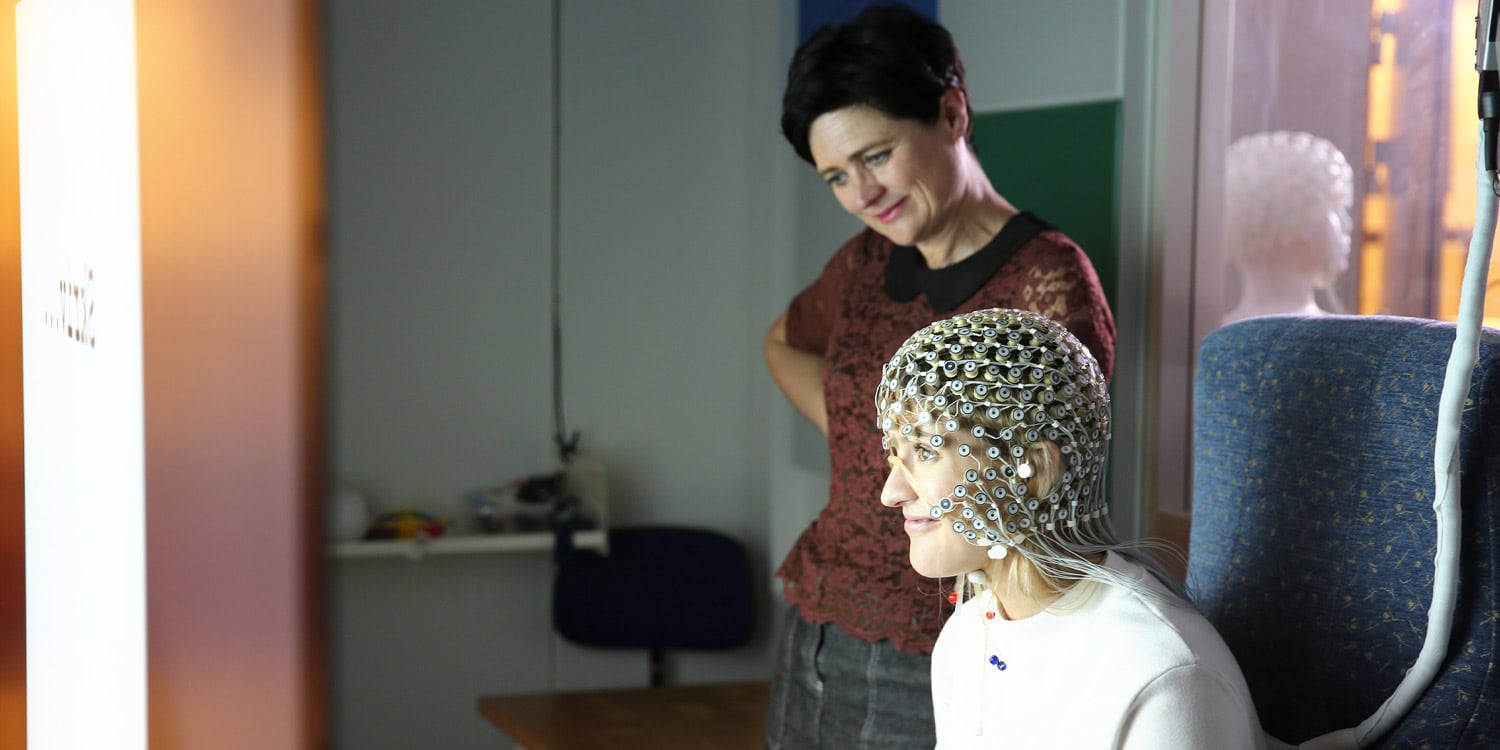
At the Norwegian University of Science and Technology, researchers fitted university students with a 256-electrode EEG net, and asked them to write words, sometimes by hand, sometimes on a keyboard, while their brain activity was recorded. The difference was striking: handwriting lit up widespread, interconnected activity across brain regions, in frequency bands associated with memory formation and the encoding of new information. Typing produced nothing even comparable. The researchers’ explanation was that forming each letter is an act that engages both the mind and the whole body. The hand and eye movements differ with every character, while a keystroke is the same tiny, repeatable motion, whatever you’re typing.
This nicely complements an older classroom finding: students who take notes grasp concepts better than laptop or phone note-takers, precisely because they write more slowly. Hand-writers can’t keep up with the speed of spoken words, so they must digest, compress, and choose wisely what to note. The slowness is exactly where the thinking happens. (Scientists still debate how directly brain patterns translate into better learning, and some findings await replication. But the direction of the evidence and of lived experience points the same way: the hand and the mind are great coworkers.)
Beyond the science, there is the sensory case, which is just as satisfying. Ink has friction, and paper has a feel to it. A handwritten sentence cannot be deleted, only crossed out, which changes how carefully we choose it. It also leaves its mark on how our notes look. A filled notebook is also an object: years from now, you can hold it again and remember how you felt while pouring your heart onto the page.
You may reasonably raise an eyebrow, as this praise of paper arrives from an app, but we’re okay with that. Our conviction has always been that the journaling that actually happens beats the ideal journaling. A journal with a screen is far more handy when you need to write something on a bus or while travelling. But a practice can have two instruments: the app for the daily notes, and the pen for the occasional slower, deliberate reflection. By no means should they be considered rivals.
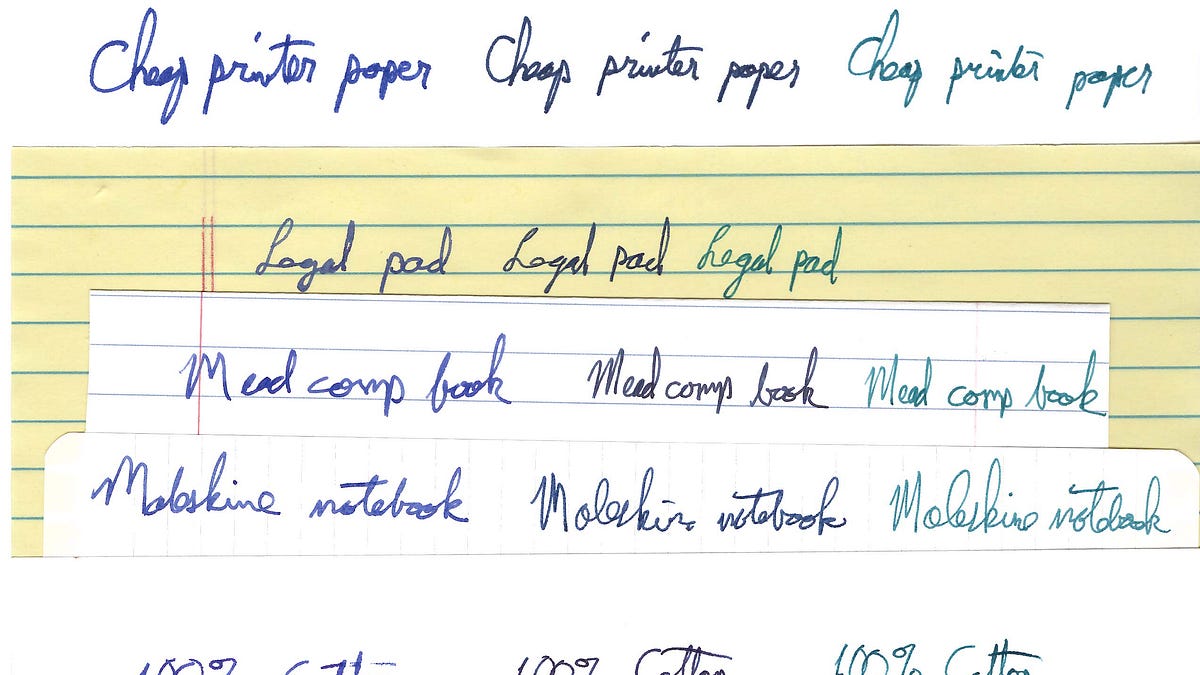
So here is this week’s invitation: write one entry by hand. Any paper will do: a dedicated notebook or the back of an envelope. Pick something that’s been on your mind and notice how differently sentences form when they cannot be deleted. If what surfaces is worth keeping, copy its essence into your journal in Stoic, or photograph the page and keep the original somewhere safe, the way one keeps letters.
Yours truly,
The Stoic App Team
P.S. Here’s more about the wonders of handwriting:


A letter always feels to me like immortality.
Emily Dickinson

The word alone makes most of us flinch, as we picture raised voices, slammed doors, things that can’t be later unsaid. But this week’s theme, On Confrontations, is about a gentler discovery: that facing something head-on is usually far more okay than the weeks of walking around it.
We all have our carefully avoided objects. For some time, avoidance feels like peace, but it’s really just conflict charging us every day. So this week, we’ll practise looking directly at things with no dramatic arguments ahead. The safest place to hold your first confrontation is a page only you can read, so open your journal and start whenever you feel like.
